IPAF · 3a/3b
IPAF 3a & 3b
Mobile elevating work platforms: scissor lifts (3a) and boom lifts (3b).
Novice 1 day · Refresher 1 day
Next: Tuesday, 13 October 2026 · 4 places
See dates and book
IPAF · 1a, 1b, 3a, 3b
IPAF training for scissor lifts, cherry pickers and static platforms: MEWP training to the IPAF categories for mobile elevating work platforms, taught at our Grimsby centre or on your site. A PAL Card on completion.
Accredited by
About the training
IPAF training, set by the International Powered Access Federation, is the standard for mobile elevating work platforms (MEWPs). An IPAF operator course ends with a PAL Card, the Powered Access Licence, showing which categories the holder is trained on. It is what site managers ask to see before anyone uses a scissor lift or cherry picker.
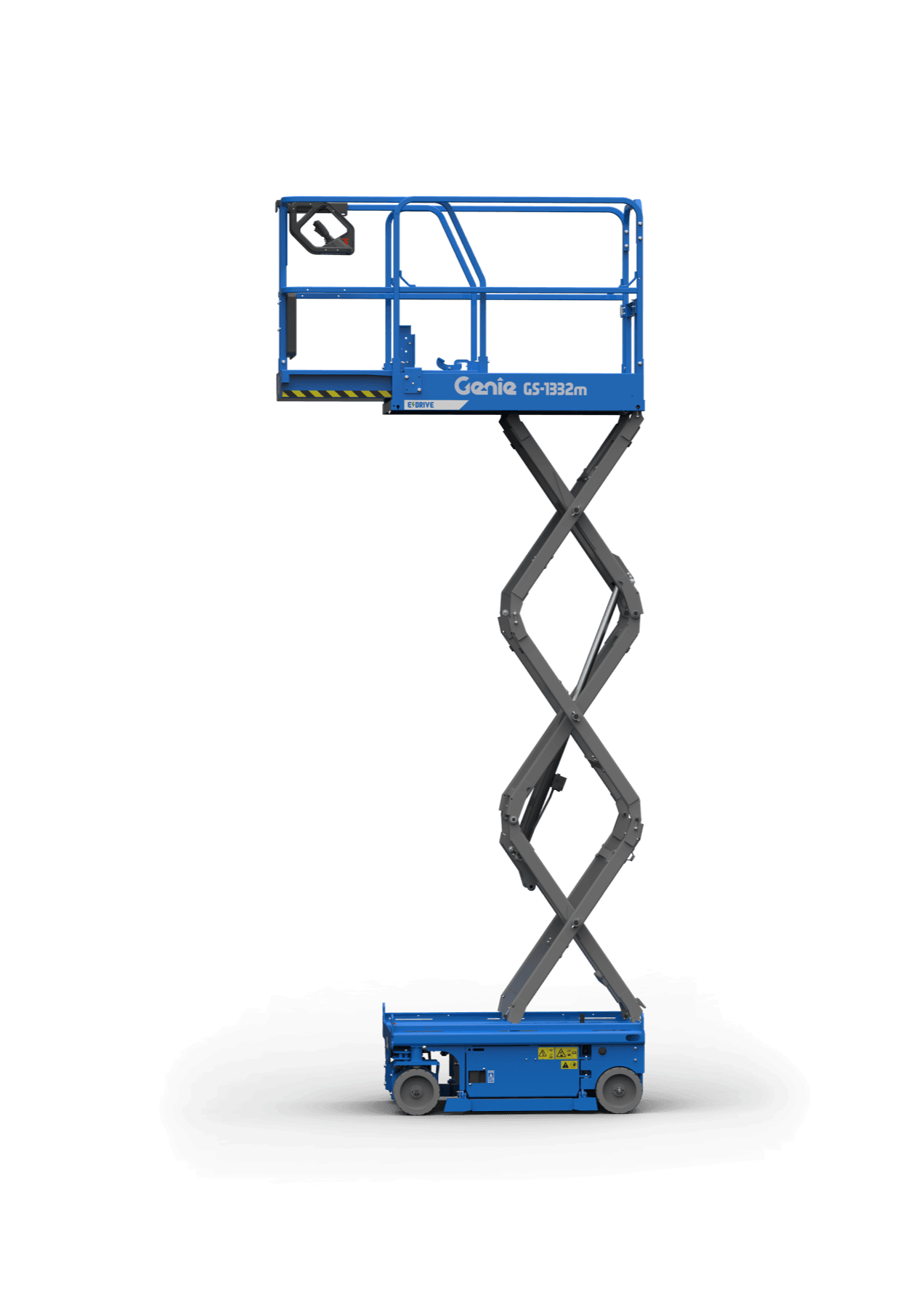
The categories are by machine type. 3a is the mobile vertical platform, the scissor lift. 3b is the mobile boom, the cherry picker. 1a and 1b are the static vertical and static boom platforms, which are moved into position and then operated from a fixed spot. Most operators take 3a and 3b together over one day.
Scissor lift training and cherry picker training are the two most asked for, and they are not interchangeable. A scissor lift goes straight up on a stable base, so the risks are the platform gate, the guardrails and the ground underneath it. A cherry picker swings a platform out on a boom, which adds catapult and entrapment risk, changes how the machine behaves as the boom extends, and is why 3b is a separate category rather than an extension of 3a.
The day covers the regulations and the operator's responsibilities, selecting the right machine for the task and the ground, pre-use inspection, harness and fall-restraint use where the machine calls for it, safe operation on the machine itself, and rescue — getting someone down from a raised platform when the machine has failed or the operator cannot. Assessment is a theory test and a practical on the machine.
MEWP training is not the same as PASMA training. A MEWP is a powered machine the operator raises; a mobile access tower is built by hand and stays put. Teams that use both take both, and we run PASMA at the same centre.
Who it is for
At our Grimsby training centre or on your site, nationwide.
Courses and dates
Each course is listed with its certificate code, the lengths at each level and the next date with places. Open a course to see every date and book online.
IPAF · 3a/3b
Mobile elevating work platforms: scissor lifts (3a) and boom lifts (3b).
Novice 1 day · Refresher 1 day
Next: Tuesday, 13 October 2026 · 4 places
See dates and bookIPAF · 1a
Static vertical platforms: driven into position, then lifted.
Novice 1 day · Refresher 1 day
Dates on request
See dates and bookIPAF · 1b
Static booms: trailer-, van- and lorry-mounted platforms and spider lifts.
Novice 1 day · Refresher 1 day
Dates on request
See dates and bookIPAF · 3a
Scissor lifts and other mobile vertical platforms that drive elevated.
Novice 1 day · Refresher 1 day
Dates on request
See dates and bookIPAF · 3b
Self-propelled boom lifts and cherry pickers that drive elevated.
Novice 1 day · Refresher 1 day
Dates on request
See dates and bookBefore you book
3a is the mobile vertical category, which covers scissor lifts and similar platforms that lift straight up. 3b is the mobile boom category, which covers cherry pickers and other platforms on an articulating or telescopic boom. Many operators take both on the same day.
Employers must ensure operators are trained and competent to use work equipment, and an IPAF PAL Card is the accepted way of showing that for MEWPs. Most sites and hire companies will not let a cherry picker or scissor lift be used without one.
A PAL Card is valid for five years from the date of the course. It can be renewed by taking the operator course again before it expires.
A single category is typically one day. 3a and 3b are usually taken together as a one-day dual course. Each course page shows its length.
Yes. Our training centre is in Grimsby and we run IPAF courses there for operators across Lincolnshire and the Humber, or at your own premises on your own machines anywhere in the country. On-site delivery is often the better option, because operators are assessed on the platform they will actually be working from.
Usually not in a scissor lift, where the guardrails are the protection and the platform is designed to be stood in. In a boom-type machine — a cherry picker — a harness with a short restraint lanyard clipped to the designated anchor point is normally required, to stop the operator being thrown out if the boom is struck or jolted. The course covers which machine needs what, and why.
Every MEWP has ground-level emergency controls and a manual descent system, and rescue is part of the course rather than an afterthought. A rescue plan is required before work starts: leaving it to the emergency services is not one, because a casualty suspended in a harness needs bringing down in minutes.
Yes, and for powered access it is usually worth it. Training on your own scissor lifts or booms means the categories match the fleet, the controls are the ones operators will use, and nobody qualifies on a machine you do not own. We travel nationwide for on-site courses.
We train on your site, on your machines, nationwide. Tell us how many operators and which trucks, and we will quote.